
What website is this?
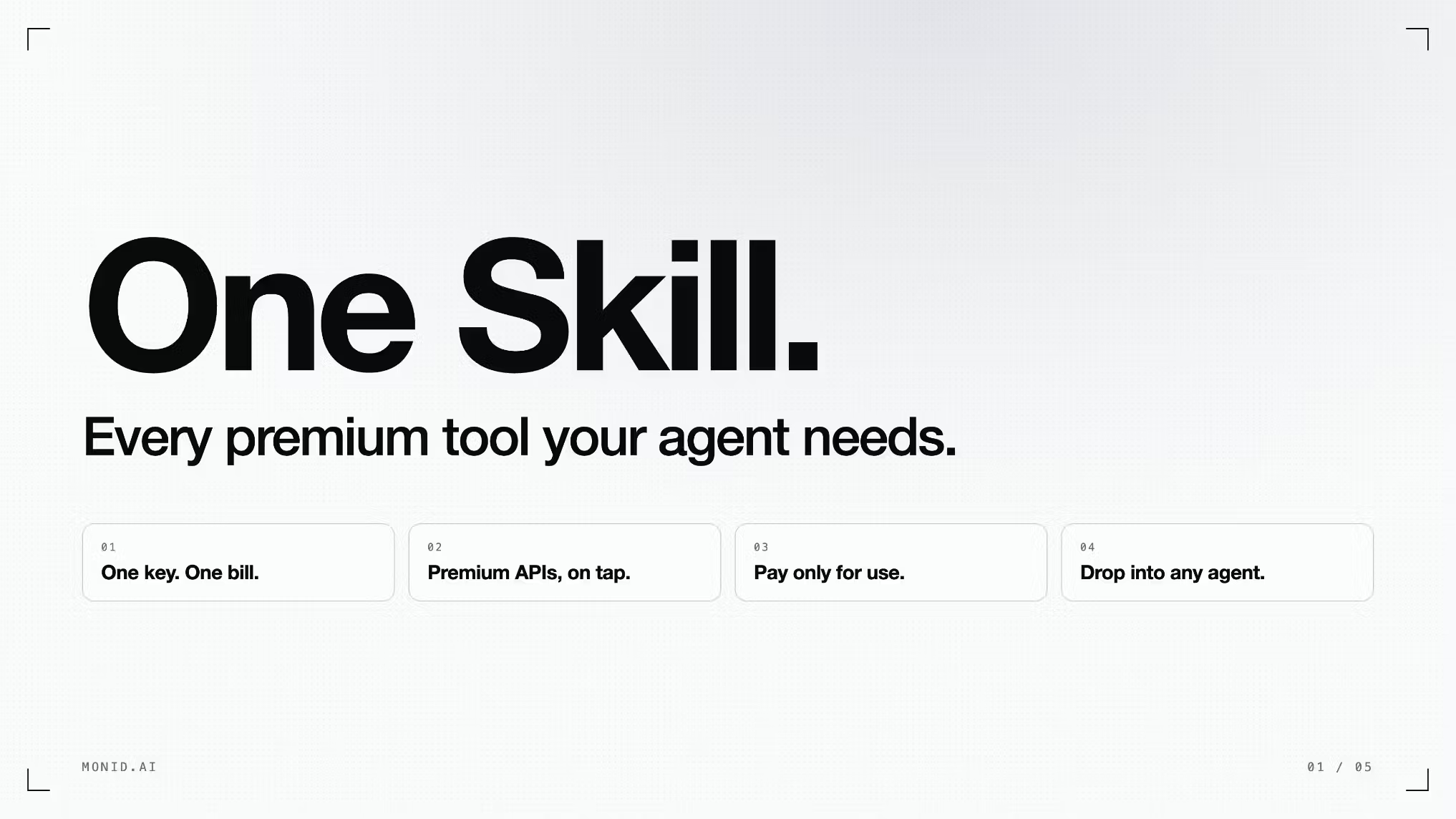
Monid (monid.ai) targets MCP-capable agents as an aggregation layer for tool calls: agents search the catalog in natural language for candidate endpoints and input schemas, pay per execution from a shared workspace balance for scrapers, search, enrichment, and similar third-party endpoints, and receive JSON-shaped outputs suited for comparison and downstream orchestration. Compared with wiring each vendor API separately and juggling multiple SaaS subscriptions, it stresses one CLI/skill path across providers; fit depends on whether you already run agents in an IDE or terminal and whether you can accept a unified balance and asynchronous job pacing.
Key Features
- Natural-language catalog search that surfaces candidates, relevance hints, and schema cues.
inspectexposes body, query, and path parameters mapped to CLI flags-i,--query, and--path.runstarts async jobs;runs getpolls status, with optional--wait.- Per-call metering against one balance;
monid balanceshows remaining funds. - API keys created in app.monid.ai and managed in the CLI via
keys add. - Skill and remote MCP surfaces for Claude Code, OpenClaw, and compatible setups.
Use Cases
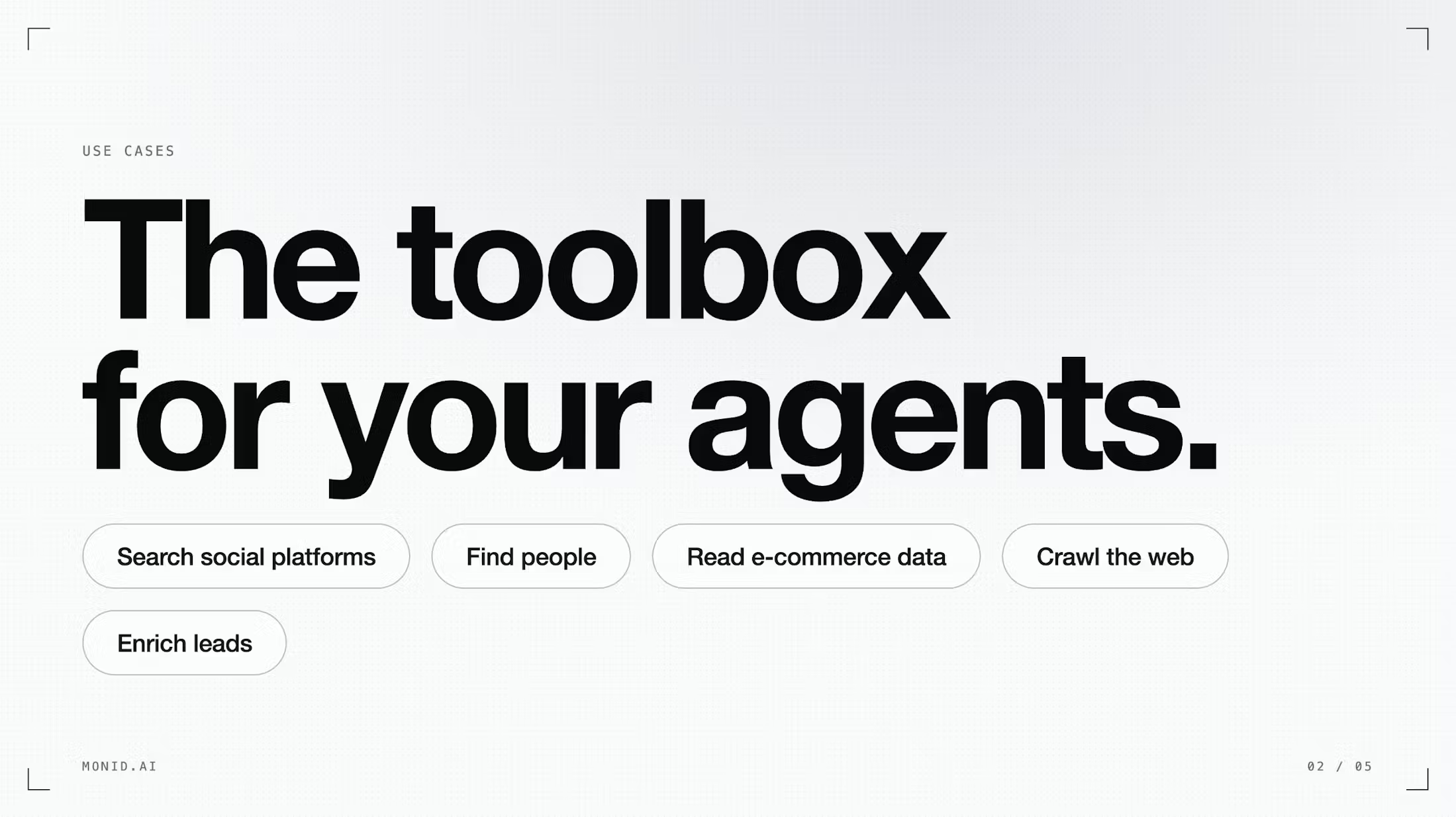
- Developers install the skill in Claude Code so agents discover scraper endpoints and pull cross-platform intel.
- Growth folks split Instagram, TikTok, and Amazon research into many small paid calls instead of stacking subscriptions.
- Indie builders who do not want to maintain many third-party key relationships run discover → inspect → run end-to-end.
- Sales workflows where agents assemble enrichment calls from schemas and hand JSON to downstream CRM steps.
- Local service teams aggregating review feeds via agents and paying per task rather than per-seat tools.
Who is it for?
- Developers and small teams already running MCP/skill agents from a terminal or IDE who are fine managing keys and balance via CLI.
- Users with fragmented tasks who rotate across data vendors instead of locking into one suite.
- Orchestrators who accept typical runtimes from tens of seconds up to a couple of minutes and prefer polling over long blocking waits.
- Not a fit: procurement that mandates direct contracts and invoicing per vendor and rejects third-party aggregated billing, or teams with no agent runtime who rely on manual dashboards.
How It Compares to Similar Tools?
Roughly three buckets: model gateways that meter inference tokens only; single-vendor SaaS bundles; and Monid-style stacks that combine catalog search, per-call execution, and one balance. If the goal is purely cheaper LLM inference, a tool marketplace layer may add little; if the data vendor is already chosen under contract, direct APIs can be clearer. When agents must search first and fan out across providers, compare Monid’s catalog coverage against per-call variability.
Pricing Details
The homepage emphasizes pay-as-you-go usage, a shared balance, and no classic monthly subscription framing; the dashboard tops up balance while unit rates vary by endpoint and usage. Illustrative examples show very small per-call debits and do not imply uniform pricing everywhere. Deposit minimums, rate cards, and billing policies follow whatever https://monid.ai/ and https://app.monid.ai/ currently display.
FAQs
Q: Is Monid free?
A: Public messaging centers on balance-backed per-call billing; whether a trial allowance exists follows signup and dashboard copy.
Q: Do I still need API keys for each data provider?
A: The site lists this FAQ topic; the usual path routes calls through Monid account keys, while any residual vendor credential requirements depend on the latest official guidance.
Q: Which clients or frameworks are supported?
A: The homepage names Claude Code, OpenClaw, and MCP-compatible remote access; treat the site as canonical if the list grows.
Q: Am I charged when a call fails?
A: CLI docs distinguish statuses such as COMPLETED and FAILED; charging rules for failures belong to console or policy text.
Q: How long does a call take?
A: CLI docs cite roughly 1–120 seconds depending on endpoint and volume; interactive flows often fire-then-poll instead of long --wait blocks.
Q: How do I keep spend predictable?
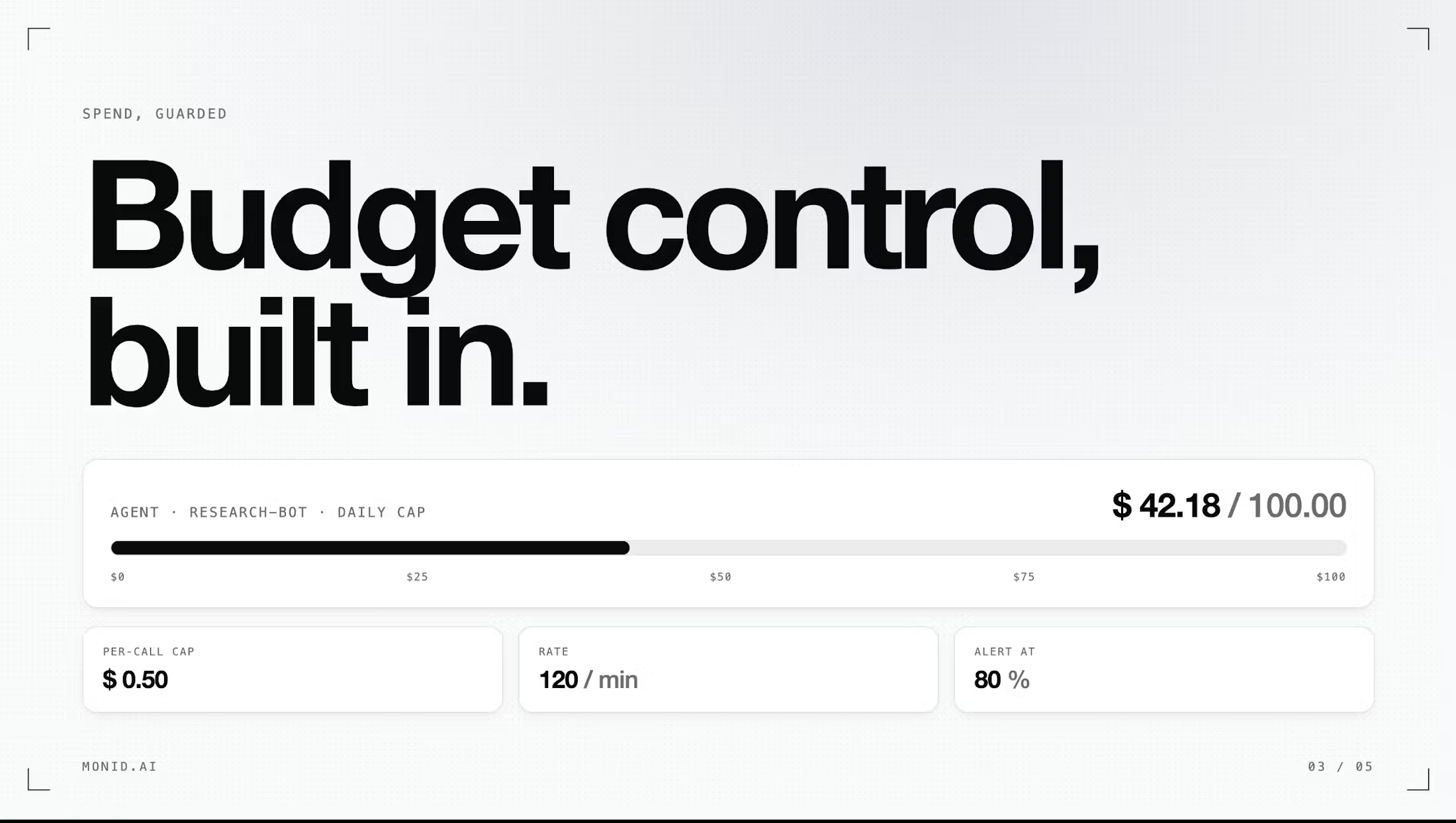
A: The official skill advises reading inspect, starting with small limits, and checking balance when cost matters.
Q: How does this relate to using Apify or similar directly?
A: Monid offers unified discover/run flows and balance semantics; direct vendor access suits teams that need native consoles and invoices.
Q: What about rate limits?
A: FAQ covers rate limits; in practice reduce concurrency, shrink batch parameters, or retry later.
Why We Recommend
Teams already running agents inside MCP workflows can shrink “find a tool, read its schema, pay per run” into one skill/CLI habit and fewer subscription relationships.


